
Happy Earth Day! As I was reflecting upon the significance of this day, I wondered if people ever understand the importance of Earth Day. It’s history goes a bit like this: Earth day was first observed on 22nd April 1970 to raise awareness about environmental issues amidst the Vietnam war. We have certainly come far from then, not just 55 earth days far, but also with changes and impacts. Here are some of the positive and negative ones:

Since 1970, the average annual concentration of carbon dioxide (CO₂) in the atmosphere has increased by more than 30%, now rising at the fastest rate ever recorded. The temperature globally has also increased significantly.
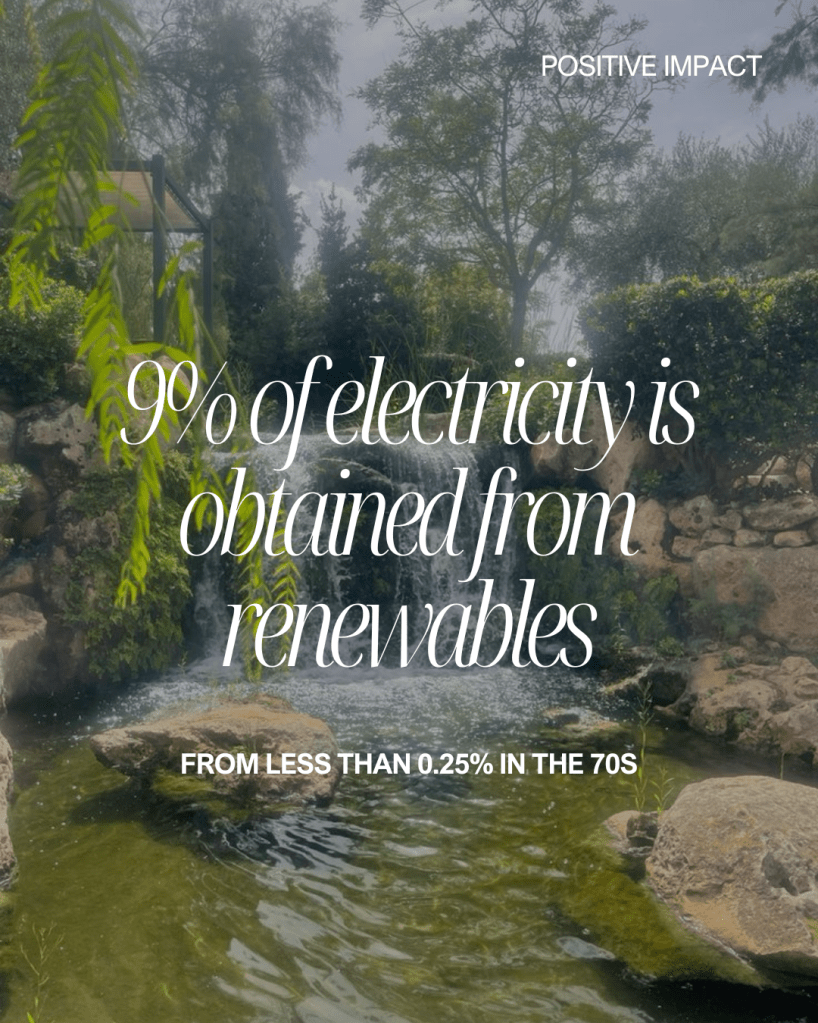
From a 0.25% in 1970, renewable electricity usage has increased quite a lot in the last 55 years. Along with this, recycling rates have had similar growth.
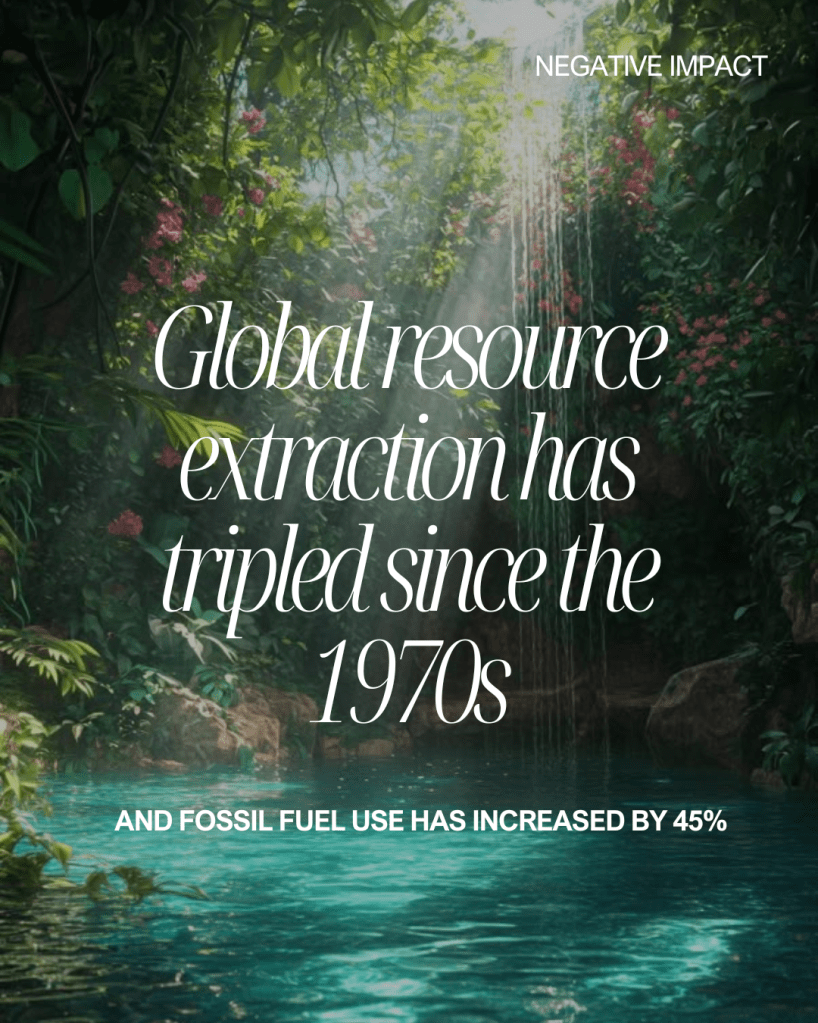
Global resource extraction has more than tripled since 1970, including a fivefold increase in the use of non-metallic minerals and a 45% increase in fossil fuel use. If current trends continue, global material use could double again by 2060, further increasing emissions and environmental degradation.
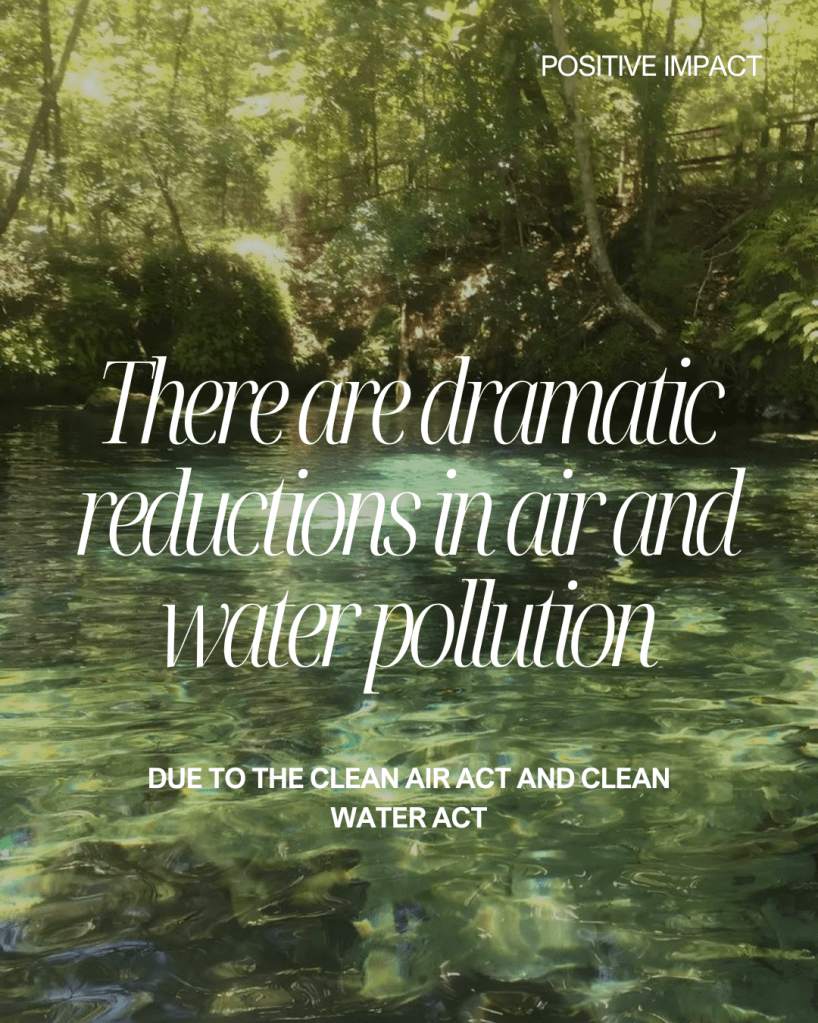
The passage of landmark environmental laws such as the Clean Air Act (1970) and the Clean Water Act (1972) has dramatically improved air and water quality in the United States and inspired similar efforts globally.
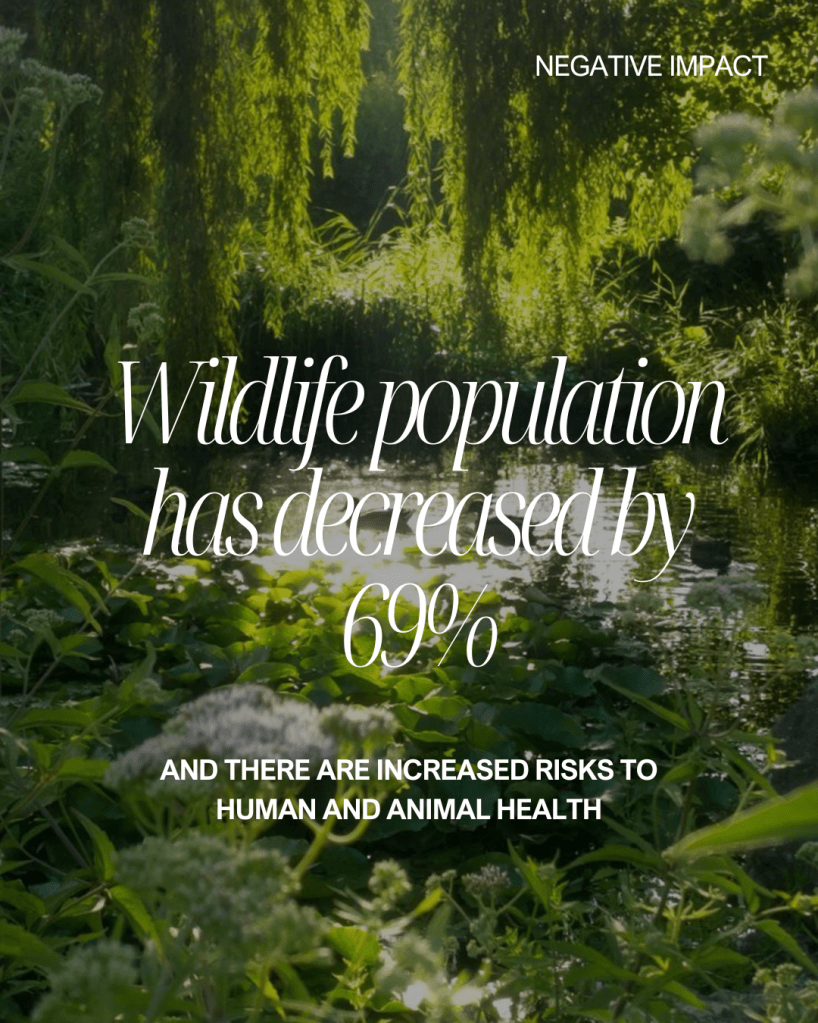
Wildlife populations have declined by an average of 69% worldwide between 1970 and 2018, according to the WWF’s Living Planet Report 2022. The most severe declines are seen in Latin America (94% average drop) and among freshwater species globally (83% decline).
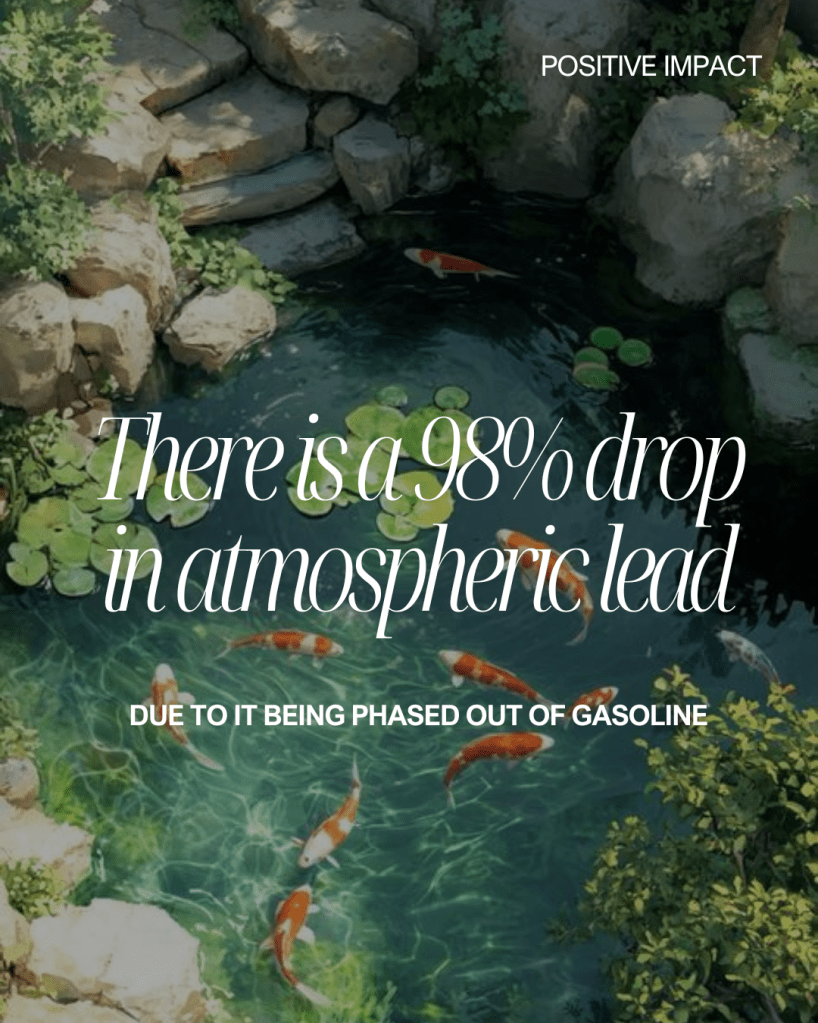
The Montreal Protocol (1987) led to the phase-out of ozone-depleting chemicals, resulting in the healing of the ozone layer—a major global environmental success.
So we’ve seen the good and the bad- how far we’ve come and how much we haven’t done. Therefore, this earth day, let’s focus on the negative impacts and try to turn them into positives, and the positive impacts and try to enhance them further to make sure that our earth is sustainable for future generations.
 Saving the Blue Heart
Leave a comment