
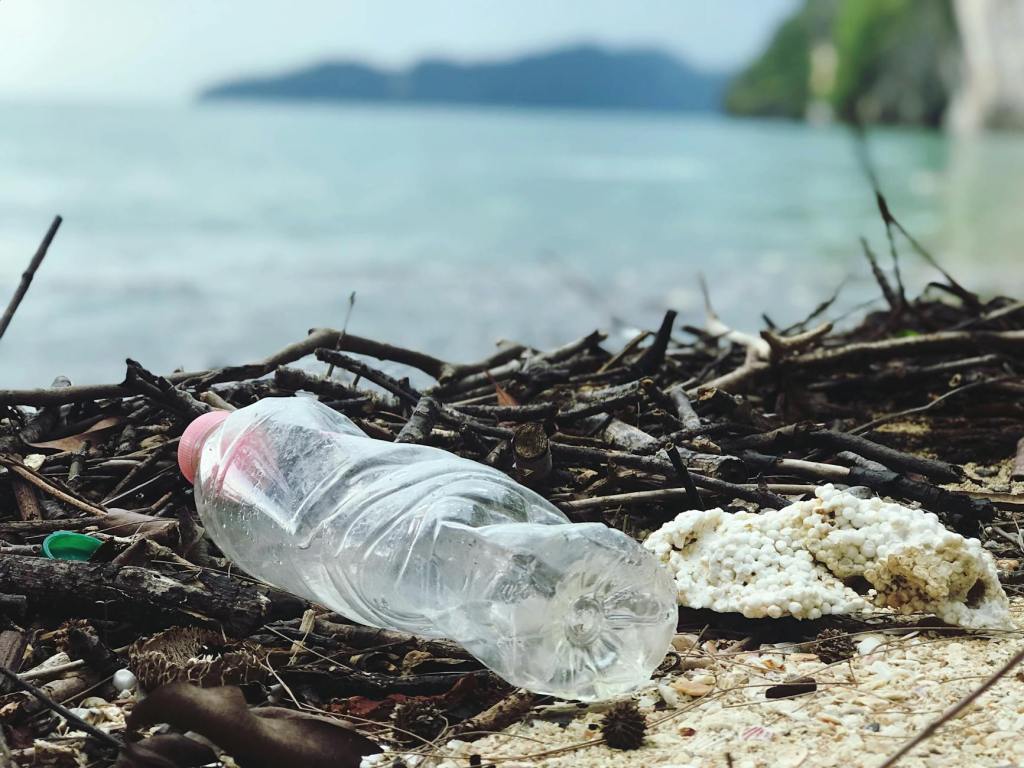
Plastic is everywhere. It’s in everything. It’s used by people and workplaces alike, and as we’ve already gone over, the rate of its production is alarmingly high. This is why I wanted to start with a topic that we can all pretty much see and relate to everyday, although we really shouldn’t be. This is an insight into the usage and banning of single use plastics.
Single-use plastics, as the name suggests are those plastics which are used once, if not, for a short time and then thrown away. They are made from fossil fuels, chemicals and synthetic polymers.
Single use plastics (SUPs) are used in day-to-day situations. From wrappers to straws, they help entire industries flourish to the point where you can’t imagine them without single use plastics. To illustrate, the medical industry cannot thrive without surgical gloves or syringes, the fast food industry wouldn’t be the same if it didn’t have disposable cutlery or packaging and the same goes for the retail industry. Therefore, we can say that there is a demand as well as a valid need for SUPs.
SUPs, including mainly packaging dominate the approximately 350-380 million tonnes of plastic pollution wastage that are generated annually. Moreover, five trillion plastic bags are used annually, one million plastic bottles are bought per minute, 146 million metric tonnes of plastic was used in 2017. 40% of plastics are SUPs.
SUPs, no matter how helpful they are, cause part of the worst plastic pollution damage as these plastics are the main contributors to plastic pollution, and about 90% of this waste isn’t recycled. If we continue to go down this path, the threat it already poses against us will only get worse.
Single use plastics are, therefore banned in Kenya, Rwanda, some US states, India, China and a few other countries. But since these plastics are so vital to different industries and people, because they are used in healthcare, agriculture, food packaging and safe water storage, to mention a few unavoidable uses of it, bans have been placed on particular single use plastics, such as plastic bags. Therefore, banning doesn’t have a huge impact on the reduction of SUP usage or disposal.
Single use plastics, therefore, aren’t banned in some countries. Other reasons for them not being banned are public opinion and economic and trade barriers.
We can look at the future of SUPs in two ways, the worst case scenario and the best case scenario. The worst case scenario is that nothing changes. The usage of single use plastics stays the same and continues to increase until we’ve reached a point beyond limit, a point too late, by which we won’t be able to do anything to keep plastic from destroying ecosystems. The best case scenario, however, is that we find an alternative to SUPs and until we find a longstanding solution, we continue to recycle single use plastics in high numbers so that their usage doesn’t have as a huge impact as it does now.
Some alternatives to single use plastics are bamboo variants of things such as toothbrushes, paper alternatives of straws and other disposables, cloth, natural fibre, etc. Other than these simple alternatives, more permanent solutions are coming up to replace SUPs such as bioplastics or biodegradable plastics.
Therefore, we see that SUPs, though being an unavoidable resource, are harmful to the environment and several ecosystems, but together we can overcome the excessive use of these and come up with as well as use alternatives and recycle.
 Saving the Blue Heart
Leave a comment